YOUR SIMPLE GROWING PLAN
One pot. Here’s the plan.
A roomy patio pot in cool weather. Start with nursery start.
Choose a stable pot with drainage, roughly 12 inches wide or more.
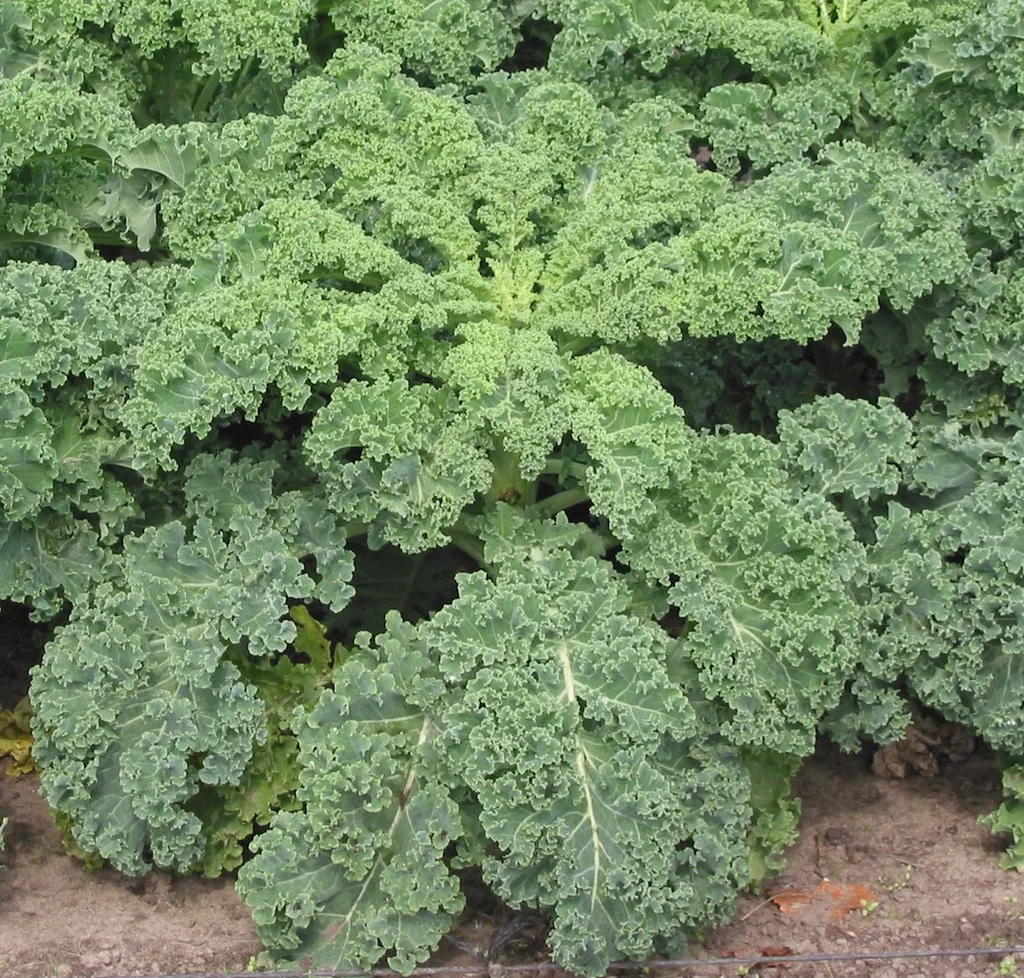
Choose an edible, compact curly kale from the vegetable section.
- 01
Choose a small, healthy start
Buy one edible kale plant with several healthy leaves. Check the undersides for insects before bringing it home.
- 02
Give it the whole pot
Dampen the mix and plant the root ball at its nursery soil level. Leave space below the rim for watering.
- 03
Help it settle in
Water thoroughly and keep an eye on the mix each morning. Let an indoor-grown start adjust gradually to outdoor sun.
- 04
Pick the outside leaves
Once new growth is established, harvest a few of the older outer leaves. Leave the center and several healthy leaves to keep growing.
Another way to start
Start with 2 seeds+
Sow 2 seeds ½ inch deep near the center of the final pot. Keep the surface moist. Once seedlings have 3–4 true leaves, snip the weaker one and keep one plant.
When to water.
Check the pot each morning. When the top inch feels dry, water slowly until excess escapes underneath. If it is still damp, wait. In a windy spot, check again later rather than assuming yesterday’s watering will last.
Exactly what to feed it.
Fresh enriched mix supplies the first nutrients, so skip extra fertilizer at planting. A kale plant kept for repeated harvests may outlast that starter feed.
A SPECIFIC US PRODUCT
Miracle-Gro Water Soluble All Purpose Plant Food (US 24-8-16)
Once the starter nutrients are used up, mix 1 tablespoon of the US 24-8-16 product into 1 gallon of water. Apply at the roots every 14 days while new leaves are growing. Stop when growth has paused; use only enough solution for this pot to become wet and drain.
Check the manufacturer’s product page ↗Use the named US formulation. A different product or concentration needs different directions. The amount mixed is a batch, not a dose to pour into one pot.
A little patience pays off.
Wait for your nursery start to settle and make fresh growth before a first small picking. Taking a few outer leaves is gentler than stripping a young plant bare.
When should I start where I live?+
Cool spring and fall conditions suit kale. A garden plant’s cold tolerance does not guarantee that a small exposed pot will overwinter in every US climate.
For regional planting windows, find your local Cooperative Extension office ↗.
Something looking off?
What is chewing holes in the leaves?+
Look underneath and along the leaf ribs for caterpillars. On one small plant, removing visible caterpillars by hand is a useful first check before choosing any treatment.
Can I cut off the whole top?+
For repeat leaf picking, keep the central growing point. Harvest from the outside rather than removing the growing center.
Why are the leaves getting tough?+
Older leaves, hot conditions, and drying stress can all affect texture. Pick younger outer leaves and check the pot’s moisture.
A little more growing know-how.
Room for one plant+
The 5-gallon pot is a beginner container choice with a moisture buffer. This is one kale plant, not a densely sown tray of baby greens.
Keep your variety label+
Compact curly kale is our default for this pot. Tall or spreading varieties can need more room; ornamental displays and full-size garden rows are different projects.
BEHIND THIS GUIDE
Where the advice comes from.
Plant care is based on the sources below. Planting layouts and beginner routines combine that guidance into one practical plan; they are editorial choices, not results from a Plant Care Steps growing trial.
- Utah State University: seed depth, leaves, and cool-weather growth ↗
- University of Maryland: container sizes, including kale ↗
- University of Maryland: container care and pest checks ↗
- Manufacturer: US fertilizer formula and application directions ↗
- Manufacturer: starter feed in the named potting mix ↗
Compiled with AI assistance. These first-edition guides have not yet had an independent horticultural review. Read our editorial approach.