YOUR SIMPLE GROWING PLAN
One pot. Here’s the plan.
A sunny outdoor pot sheltered from strong wind. Start with seeds.
At least 12 inches wide and deep, with open drainage holes.
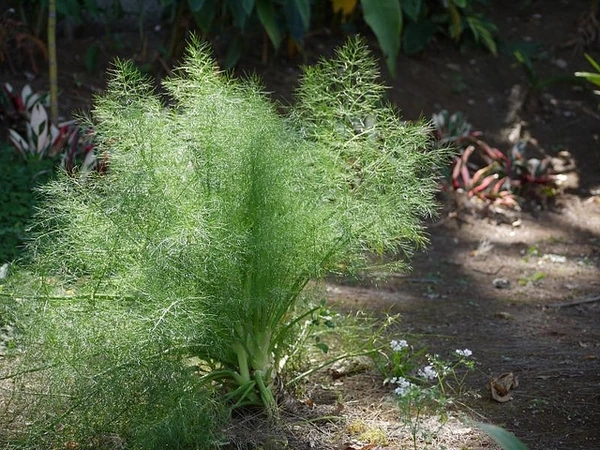
Choose compact Fernleaf dill for this one-plant plan.
- 01
Fill the final pot
Dampen the mix and leave an inch below the rim. Start in this pot so you will not need to disturb the taproot later.
- 02
Sow three seeds
Place 3 seeds about an inch apart near the center, ¼ inch deep. Water gently and keep the seed surface moist.
- 03
Keep just one
When seedlings are about 2 inches tall, snip the weaker two at soil level. Give the remaining plant sun and shelter from strong wind.
- 04
Snip a few side fronds
Once there is plenty of leafy growth, take a small amount from the sides. Leave the main growing stem and most foliage intact.
Another way to start
Use a very young nursery start+
Choose one young Fernleaf plug with an intact root ball. Plant at its existing level without pulling the roots apart. Dill dislikes root disturbance; direct sowing avoids that step.
When to water.
Check each morning. While seeds are germinating, keep the shallow seeded layer damp with a gentle sprinkle. Once established, water when the top ½ inch starts to dry, wetting the root zone and allowing runoff. Wait while the mix is damp. The reminder is for checking, not automatic daily watering.
Exactly what to feed it.
Add no extra fertilizer to the fresh enriched mix at sowing. Check the bag’s feeding period before adding a top-up; a young seedling does not need an immediate fertilizer routine.
AFTER THE STARTER FEED, DURING ACTIVE GROWTH
Miracle-Gro Water Soluble All Purpose Plant Food (US 24-8-16)
Mix 1½ teaspoons of the US 24-8-16 product into 1 gallon of water. Apply at the roots every 4–6 weeks if the plant is still actively growing after the mix’s starter nutrients run out. This half-strength outdoor dilution and lighter interval follow Minnesota’s dill guidance. Use enough solution to wet the pot and drain, not the entire gallon.
Check the manufacturer’s product page ↗Use the named US formulation. A different product or concentration needs different directions. The amount mixed is a batch, not a dose to pour into one pot.
A little patience pays off.
Allow about 7–21 days for germination in suitable warmth. Fernleaf’s seed supplier lists roughly 55–60 days to a substantial leaf harvest. Small earlier snips depend on how much healthy growth the plant has made.
When should I start where I live?+
For this simple outdoor plan, sow after frost danger. A mild growing period is easier than intense summer heat. Dill is an annual; begin a second pot later if you want a longer supply of fresh leaves.
For regional planting windows, find your local Cooperative Extension office ↗.
Something looking off?
Why is my dill tall and floppy?+
Check sunlight and wind exposure. A dim or very windy spot can make the plant harder to support. Move to better light gradually and add a small loose support if needed.
Why is it flowering instead of making leaves?+
Flowering is a normal part of dill’s annual life cycle. Pick remaining useful leaves and sow the next pot; extra fertilizer will not keep it leafy forever.
What are the tiny insects on sticky shoots?+
Check for aphids. A gentle stream of water can dislodge a small colony; support the delicate stems and inspect again afterward.
A little more growing know-how.
Choose Fernleaf for this pot+
This compact cultivar is a practical container choice. Other dill varieties can be much taller; keep the packet so you know the expected size.
Leaves first, seeds later+
This plan starts with leaf harvests. If you leave flower heads to mature, you can collect ripe dill seed later, but expect fewer tender leaves as the plant ages.
BEHIND THIS GUIDE
Where the advice comes from.
Plant care is based on the sources below. Planting layouts and beginner routines combine that guidance into one practical plan; they are editorial choices, not results from a Plant Care Steps growing trial.
- University of Minnesota: dill care and its lighter feeding interval ↗
- Johnny’s Selected Seeds: Fernleaf timing ↗
- Burpee: dill sowing and common problems ↗
- Illinois Extension: dill varieties and growing ↗
- Manufacturer: US fertilizer formula and application directions ↗
- Manufacturer: starter feed in the named potting mix ↗
Compiled with AI assistance. These first-edition guides have not yet had an independent horticultural review. Read our editorial approach.