YOUR SIMPLE GROWING PLAN
One pot. Here’s the plan.
A sunny porch or patio after frost. Start with nursery start.
At least 10 inches deep, with drainage holes.
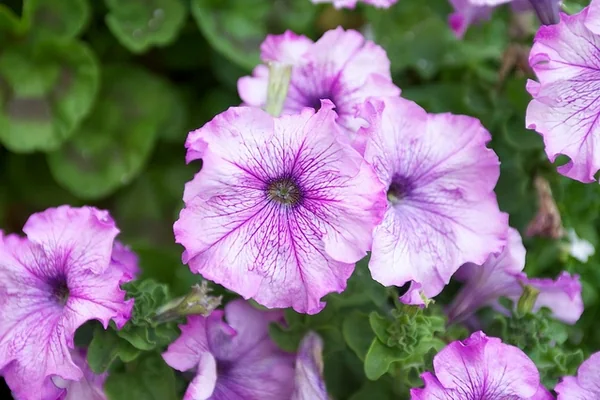
Choose a compact multiflora petunia, labeled around 12 inches wide.
- 01
Check the mature spread
Pick a compact multiflora plant. A vigorous spreading petunia needs its own larger-pot plan.
- 02
Plant after frost
Use damp potting mix and keep the root ball at its nursery soil level. Water thoroughly.
- 03
Choose a sunny place
Set the pot where you can reach it easily for daily moisture checks and flower cleanup.
- 04
Remove tired flowers
Snip spent blooms along with the small seed-forming base beneath each bloom. Clear fallen flowers from the mix.
Another way to start
Raise plants from seed+
Seed-grown petunias need an early indoor start, often 10–12 weeks before planting out. Surface-sow the tiny seeds in moist starting mix; they need light and should not be buried. For one pot, buying a small nursery plant is the shorter route.
When to water.
Check the top inch each morning and water when it is dry. Soak the mix gently and let the pot drain; do not leave water standing in a saucer. Hot, windy days may call for a second check. A once-a-week garden-bed rule is not reliable for this pot.
Exactly what to feed it.
Do not add fertilizer at planting when using the enriched mix here. As its starter feed runs out, switch to the flowering-season recipe below. Check your bag’s stated feeding period; “up to 2 months” is not a guaranteed duration.
A SPECIFIC US PRODUCT
Miracle-Gro Water Soluble Bloom Booster Flower Food (US 15-30-15)
Mix 1 tablespoon of the US 15-30-15 Bloom Booster product into 1 gallon of water. Apply to the roots every 14 days while actively growing and flowering after the starter feed ends. Use only enough to wet the root zone and drain. Do not add this on top of another fertilizer program.
Check the manufacturer’s product page ↗Use the named US formulation. A different product or concentration needs different directions. The amount mixed is a batch, not a dose to pour into one pot.
A little patience pays off.
A nursery start with buds can give you color soon after it settles in. Flowering depends on light, weather, and the particular plant; a tiny start will not fill the pot on day one.
When should I start where I live?+
Plant outside after frost risk has passed and the weather has warmed. This first-pot plan treats petunia as a seasonal outdoor flower.
For regional planting windows, find your local Cooperative Extension office ↗.
Something looking off?
Why plenty of leaves but few flowers?+
Check sunlight first. Feeding a shaded plant more heavily does not replace the light it needs to flower.
Can I use any Wave or Supertunia plant?+
Check its label. Many spreading types grow much wider and need more frequent feeding; the compact multiflora recipe is not a universal petunia plan.
Do I need an acidic fertilizer too?+
This plan uses the specific 15-30-15 flower food above. Do not add an acidifier automatically: supplying nutrients and changing the potting mix’s pH are different jobs.
A little more growing know-how.
One plant with room to grow+
Our 12-inch pot with one compact start is a simple editorial layout. It may look open at first; it is not an instantly packed retail hanging basket.
What the flower food does+
This is one labeled US product option for container flowers, not a claim that high phosphorus guarantees more blooms. Product instructions set the mixing rate; sunlight, roots, and water still matter.
BEHIND THIS GUIDE
Where the advice comes from.
Plant care is based on the sources below. Planting layouts and beginner routines combine that guidance into one practical plan; they are editorial choices, not results from a Plant Care Steps growing trial.
- University of Minnesota: compact types, care, and seed starting ↗
- NC State: garden petunia identity and growing conditions ↗
- Illinois Extension: feeding container gardens ↗
- Manufacturer: US fertilizer formula and application directions ↗
- Manufacturer: starter feed in the named potting mix ↗
Compiled with AI assistance. These first-edition guides have not yet had an independent horticultural review. Read our editorial approach.